

Feeling uncertain after losing a tooth can be overwhelming, especially if you want to avoid a removable denture. You may worry about how the gap affects your confidence, eating, or even talking. You’re not alone—many of our Brampton neighbours ask us at Trinity Dental and Centennial Dental for clear, honest answers about the best permanent tooth replacement options. Our team understands every smile is unique, and we’ll walk you through each step, so you know exactly what to expect and how to make the right choice for your health and comfort.
What is the Best Non-Removable Replacement for One Missing Tooth?
If you’re missing only one tooth and prefer something that stays in place, two main options offer a fixed, lasting result: a dental implant and a fixed dental bridge.
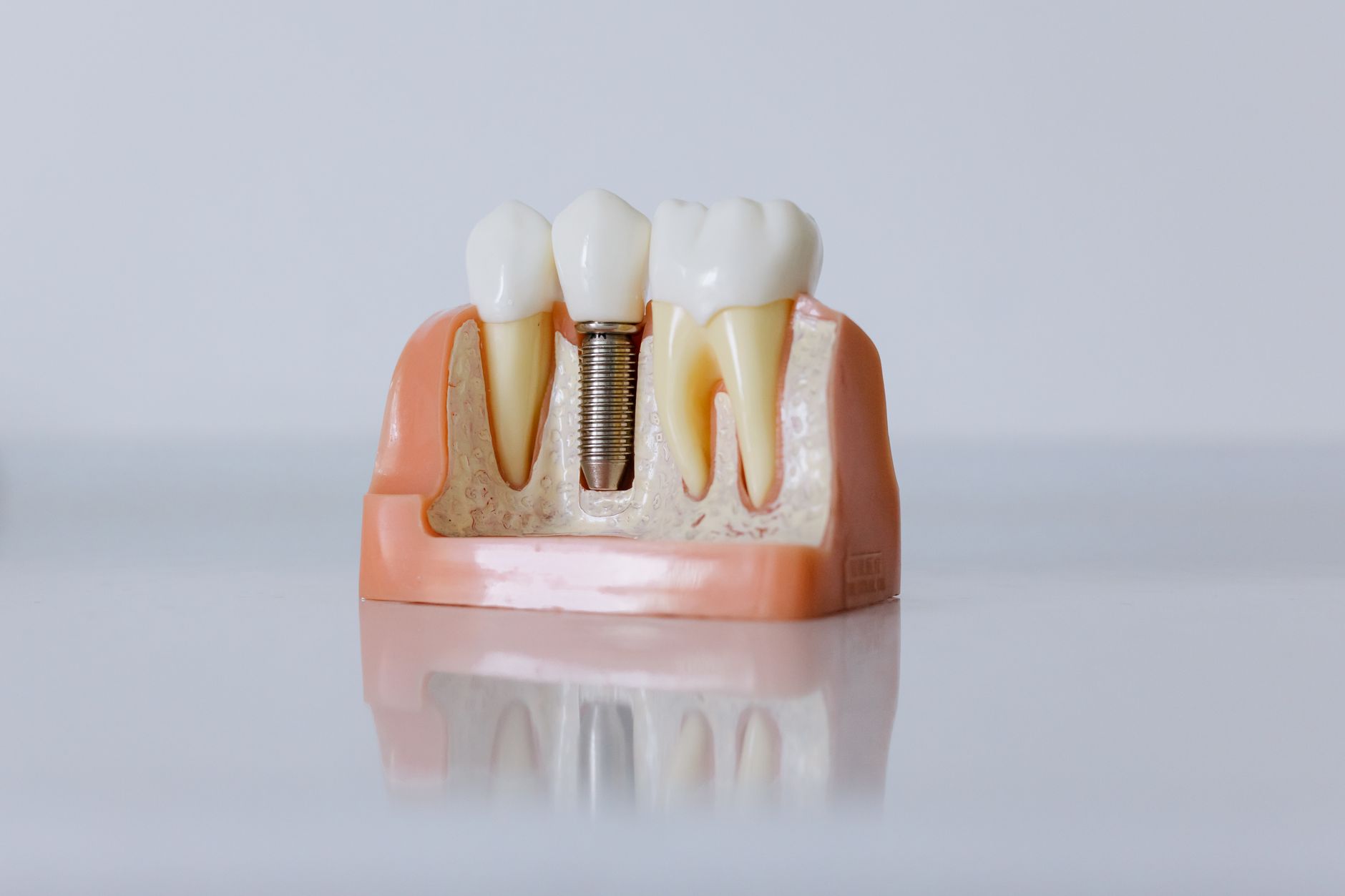
Dental implants often provide the most natural, long-term solution. A single-tooth implant replaces your missing root with a tiny titanium post, then restores your smile with a realistic crown. If implants are not ideal for you—such as when the bone isn’t strong enough or you prefer to avoid surgery—a fixed bridge can fill the gap securely, anchored to the teeth beside the missing one. You won’t have to worry about slipping dentures or taking anything out at night. Our job is to help you understand the benefits and limitations of each option, so you can make the best choice for your own needs.
Understanding Your Fixed Tooth Replacement Options
What Is a Dental Implant and Why Choose It?
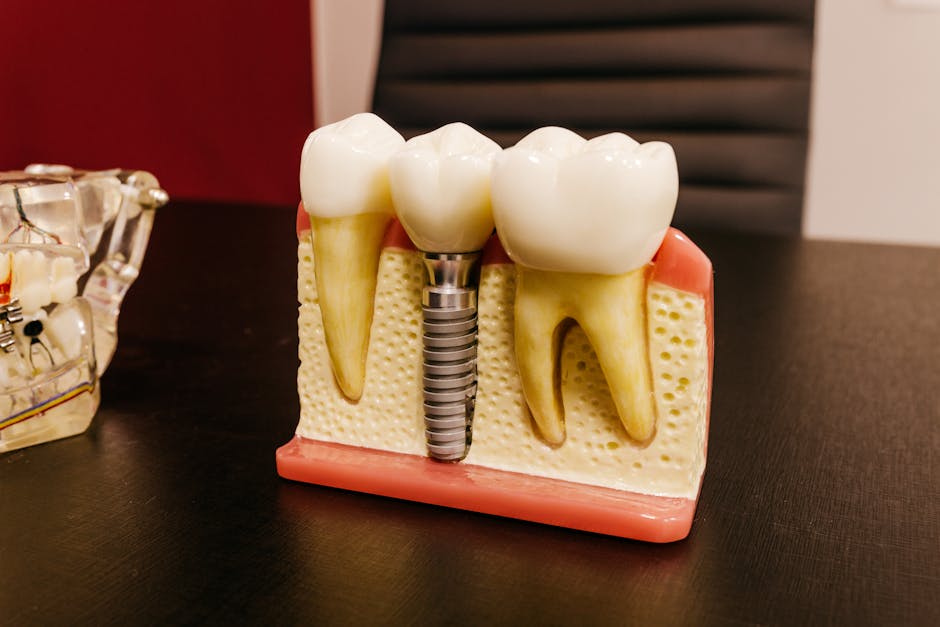
A dental implant is a titanium post surgically placed in your jawbone. It acts just like a real tooth root. After it sets, a custom-made crown is attached on top. It’s designed to match your other teeth and restore full chewing function.
- Stays fixed. No need to remove or soak.
- Protects neighbouring teeth. The teeth on either side stay untouched.
- Prevents bone loss. The implant stimulates your jawbone and helps keep it healthy.
- Looks and feels natural. Most patients find it hard to tell the difference from their real tooth.
This is almost always our first recommendation at Trinity Dental and Centennial Dental for patients searching for a truly permanent, reliable result—especially when the surrounding teeth are healthy.
What Is a Fixed Dental Bridge?
If you’re not ready for an implant, or the site isn’t suitable for surgical placement, a fixed bridge is another excellent solution. With this option, the teeth beside the gap are carefully prepared, and a bridge with a replacement tooth (pontic) is bonded securely in place. It fills the space naturally and doesn’t move.
- Fixed, not removable. You never have to take it out.
- Quick result. Treatment time is often shorter than with an implant.
- Restores bite and appearance. Chewing and speaking feel natural again.
- Ideal if adjacent teeth need crowns. Sometimes this lets you address two issues at once.
Fixed bridges are a time-tested solution we provide at both locations, helping many patients in Brampton restore their smile with comfort and confidence.
Dental Implants vs. Bridges: What’s the Difference?
| Feature | Dental Implant | Fixed Bridge |
|---|---|---|
| Attachment | Secured in jawbone | Attached to neighbouring teeth |
| Affects nearby teeth? | No (leaves them untouched) | Yes (teeth must be shaped and crowned) |
| Bone health | Helps prevent bone loss | No jawbone stimulation |
| Longevity | Highly durable, long lifespan [source] | Very reliable, but may need repair or replacement sooner [source] |
| Requires surgery? | Yes | No |
Why Replace a Missing Tooth at All?
It’s not just about your looks. Even a single missing tooth can cause a domino effect:
- Neighbouring teeth can drift, creating crookedness or gaps
- Your bite may shift, leading to jaw or muscle discomfort
- Food may collect in the gap, raising risk for gum problems or decay
- A visible front gap can affect your self-esteem
Replacing the missing space promptly—as our Brampton patients frequently hear from our doctors—is vital for your long-term comfort, health, and confidence. Waiting too long may make the replacement process more complex, so don’t delay your consultation.
How Does the Dental Implant Process Work at Trinity Dental and Centennial Dental?
Our entire team is here to support you from start to finish, whether you’re exploring implants, bridges, or other options.
- Consultation and planning. We’ll listen to your concerns and take gentle, detailed x-rays.
- Health check. We review your jawbone, gum health, and the neighbouring teeth.
- Custom recommendation. You receive a personalized plan—no guessing.
- Placement (for implants). The implant post is placed with expert precision (local freezing or sedation available for peace of mind).
- Healing. The area is given time to bond (usually a few months).
- Final crown. Once ready, your new tooth is attached—strong, stable, and natural-looking.
We make this process as smooth and supportive as possible, always explaining each step at your pace.
How Does a Fixed Bridge Procedure Compare?
- Initial assessment. Our dentists check the strength and health of adjacent teeth.
- Tooth preparation. We carefully shape the neighbouring teeth and take impressions.
- Temporary protection. A temporary bridge may be placed to keep you comfortable.
- Final placement. Your custom bridge is fitted and securely bonded.
Just like with implants, we value your comfort, and always answer questions along the way. Both treatments require gentle recovery and good home care, but our support doesn’t stop when you walk out the door.
When Is Each Option Usually Recommended?
- Dental implant—Best if adjacent teeth are healthy and you want a solution that feels and functions closest to your real tooth.
- Fixed bridge—Better if nearby teeth already need crowns, you are not a candidate for surgery, or you want a shorter treatment timeline.
Regardless, the only way to truly know which is best for you is to have a personalized exam with our dental team at Trinity Dental or Centennial Dental. Your comfort, your oral health, and your goals lead our recommendations—never a one-size-fits-all answer.
What Should You Ask During Your Consultation?
- Is my bone healthy enough for an implant?
- Will my surrounding teeth be affected by a bridge?
- How will my daily cleaning be different?
- What can I expect for the timeline?
- What insurance or financing options might apply to my chosen treatment? (Ontario consent guidelines)
We welcome every question—nothing is too small or too big to discuss. Our team is committed to ensuring your comfort and understanding at every step. Book a consultation to get honest answers you can trust and a plan tailored to your needs.
Best Practices for Success After Tooth Replacement
- Brush and floss daily (ask us to demonstrate techniques for implants or bridges)
- Return for regular checkups and gentle professional cleanings
- Contact us if you notice any soreness, movement, or problems
- Limit sticky and hard foods until you’re fully comfortable with your restored tooth
- Wear a mouthguard for sports or at night if you grind your teeth
Our aim is lasting, healthy results—never shortcuts.
FAQs: Replacing One Tooth Without a Removable Denture
What is the most natural-feeling way to replace one missing tooth?
Most patients report that dental implants feel the closest to a natural tooth because the replacement is anchored in the jawbone.
Can anyone get a dental implant?
Many people are good candidates, but enough healthy bone is needed. The best way to know is to come in for a personal evaluation at Trinity Dental or Centennial Dental.
How does a bridge affect my other teeth?
A fixed bridge requires the teeth beside the gap to be filed and crowned, so they become the bridge’s support.
How long do these solutions last?
Implants and bridges are both designed for long-term use. With excellent care, both can last many years.
Will insurance cover either option?
Insurance plans often treat bridges differently from implants. Bridges may have more coverage, but plans vary. Always ask our office to help you review your benefits in detail.
Your Next Step: Speak With Our Gentle Brampton Dental Team
Our mission at Trinity Dental and Centennial Dental is to make tooth replacement simple and stress-free for patients across Brampton, Trinity Common, Downtown Brampton, and neighbourhoods nearby. You’ll always get clear communication, a modern and welcoming clinic, and a compassionate team that puts your well-being first.
If you’re missing one tooth and want a fixed, non-removable replacement, reach out today for a no-pressure consultation. Click to request an appointment, or call the location nearest you:
- Trinity Dental: 905-792-7645 (140 Great Lakes Drive, Unit 127, Brampton)
- Centennial Dental: 905-457-3606 (227 Vodden Street East, Unit 5, Brampton)
You deserve to smile and eat without worry. Let’s help you rediscover comfort and confidence—book with our dental team today. For more guidance on implant and bridge benefits, you can also explore our detailed post: Dental Implant Canada: Costs, Benefits, and What to Consider.