

Blue green staining of teeth is a distinctive dental concern, often misunderstood by patients and even some clinicians. Understanding the origins, accurate diagnosis, and modern prevention of blue green tooth discoloration is essential for effective dental care. At Trinity Dental, we take a comprehensive, evidence-driven approach to addressing and preventing these unusual stains, guided by decades of clinical experience and advanced diagnostic tools.
If you or your child notice bluish or greenish discoloration on the teeth, it is important to determine not only the color but the underlying cause and location of the stain. Some stains occur on the tooth surface and can be managed with improved hygiene or professional cleaning. Others originate inside the tooth, potentially linked to medical, developmental, or traumatic factors and may require specialized dental therapy. Our expert team at Trinity Dental is uniquely qualified to assess and treat these complex cases, providing preventative plans and restorative options tailored to each patient’s needs.
Definition: What Is Blue Green Staining?
Blue green staining refers to the presence of blue, green, or blue-green discoloration on one or more teeth. It is categorized as either extrinsic (on the surface) or intrinsic (within the tooth structure). Accurate diagnosis requires a careful clinical examination and a thorough understanding of patient history. At Trinity Dental, using state-of-the-art imaging and diagnostic protocols, our dentists distinguish between removable external stains and deeper, non-removable internal discoloration.
Causes of Blue Green Tooth Staining
Extrinsic Causes (Surface Stains)
Extrinsic blue green staining is typically due to:
- Chromogenic bacteria: Certain bacteria, especially in children with suboptimal brushing, produce green pigments that concentrate along the gumline.
- Plaque accumulation: Poor oral hygiene allows colored compounds to adhere to the tooth surface.
- Dietary factors: Frequent intake of coffee, tea, cola, berries, or drinks with artificial dyes may stain the enamel over time.
- Tobacco use: Smoking or chewing tobacco promotes persistent tooth staining.
- Mouthrinses: Some rinses, especially those with copper salts or strong colorants, can lead to greenish staining if used without controlling plaque.
- Metal exposure: Occupational exposure to dust or fumes containing copper, nickel, mercury, or lead is recognized as a cause of blue green stains.
Intrinsic Causes (Within the Tooth)
Intrinsic staining is more complex and may result from:
- Newborn jaundice: Elevated bilirubin during early childhood can create permanent green discoloration in developing teeth.
- Medications: Antibiotics such as tetracycline and some other medications may stain developing teeth, leading to blue, green, or grayish tones.
- Trauma: Physical injury to a tooth can damage the pulp and blood supply, resulting in blue or gray discoloration, often affecting just one tooth.
- Non-vital (dead) teeth: When the nerve and blood supply die, the tooth color may shift to blue, gray, or dark pink.
- Developmental disorders: Conditions such as amelogenesis imperfecta or dentinogenesis imperfecta alter tooth structure and color.
- Restorative dental materials: Certain materials used for fillings or crowns may impart a blue or gray color to the tooth over time.
How Blue Green Staining Is Diagnosed
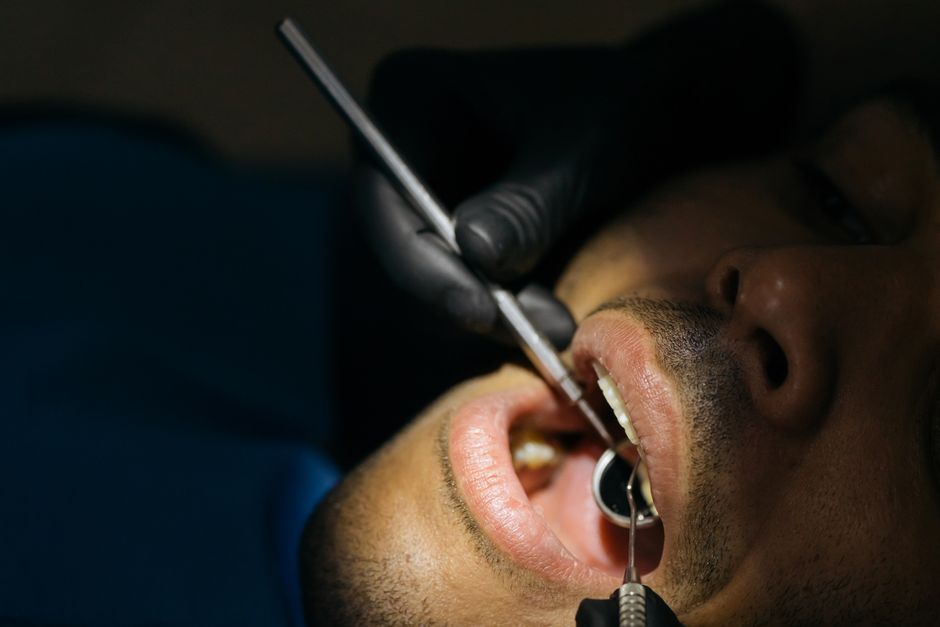
Step 1: Comprehensive Clinical Examination
Dentists at Trinity Dental begin with a meticulous inspection:
- Location of stain: Gumline stains usually suggest hygiene or bacterial causes. Uniform color changes across several teeth often point to systemic or developmental origins.
- Pattern and distribution: Isolated discoloration may result from trauma or pulp issues, while widespread staining may involve medication or environmental exposure.
Step 2: Medical and Social History Review
Typical questions may address:
- History of early childhood illness or jaundice
- Antibiotic or medication history
- Injury or trauma to the mouth
- Mouthwash and product usage
- Tobacco use and dietary habits
- Exposure to metals at home or work
Step 3: Dental Imaging
Modern X-rays, as used at Trinity Dental, are vital to confirm whether discoloration is limited to the enamel or extends internally, and to rule out hidden decay, abscesses, or problems with dental restorations.
Step 4: Rule Out Underlying Disease
Some discolored teeth indicate infection, nerve death, or structural defects requiring immediate dental attention—not simply stain removal.
Color Clues: What Different Shades Suggest
- Green: Commonly due to chromogenic bacteria, plaque, copper, or certain medications and developmental issues.
- Blue-gray: Typically associated with specific antibiotics, trauma, or dead teeth.
- Blue-green: Often linked to metal exposure (mainly copper or nickel, but also other heavy metals in industrial settings).
A Step-By-Step Guide to Prevention
1. Meticulous Oral Hygiene
- Brush twice daily with a soft-bristled brush for two minutes, paying special attention to the gumline.
- Floss once daily to remove plaque between teeth, a critical reservoir for stain-producing bacteria.

2. Limiting Staining Foods and Drinks
- Foods and beverages like tea, coffee, red wine, cola, grape juice, and berries can stain. Rinse with water after consumption and avoid prolonged sipping.
3. Reduce Tobacco and Staining Rinses
- Avoid or reduce exposure to tobacco and discuss any mouthwash stains with your Trinity Dental provider.
4. Professional Cleanings Every Six Months
- Regular cleanings remove external stains and plaque biofilm. Trinity Dental recommends most patients visit every six months, though higher-risk individuals may need more frequent care. Read more about preventative dental care here.
5. Occupational Protective Measures
- If you work around metals, discuss your exposure. Proper workplace protection prevents dust inhalation and contact with heavy metals that cause dental stains.
6. Start Children Early
- Book your child’s first dental visit by their first birthday. Early dental visits help us identify risks and educate parents on effective preventive care. Discover how Trinity Dental supports kids’ dental health.
Modern Treatments for Blue Green Staining
- Professional cleaning & polishing: Removes most extrinsic stains quickly and comfortably.
- Home care improvements: Ongoing hygiene coaching to prevent recurrence.
- Professional whitening: Dental treatments such as Philips Zoom Whitening (learn more here) can address surface-based discoloration depending on underlying causes and individual tooth health.
- Restorative solutions: Deep, intrinsic stains may be treated with bonding, veneers, crowns, or a tailored cosmetic approach. Trinity Dental provides these advanced options using minimally invasive techniques. Details on cosmetic dentistry services
- Root canal or advanced solutions: If nerve involvement or infection is diagnosed, root canal therapy or appropriate restorative treatment may be required. Learn about root canal treatments

When to See a Dentist Immediately
- Persistent, unusual, or unexplained blue green staining that does not improve with cleaning
- Tooth pain or sensitivity
- A single tooth turning dark after injury
- Swelling, drainage, or signs of infection
- Parents noticing green or blue stains on their child’s teeth
Such signs may indicate more serious problems requiring urgent dental attention. Trinity Dental offers same-day emergency appointments to address these issues promptly. Emergency dental service information
Best Practices for Preventing and Managing Blue Green Stains
- Maintain diligent brushing and flossing every day, especially for children and older adults.
- Minimize regular intake of staining foods and beverages.
- Visit your dentist at least twice per year for thorough cleanings and exams.
- Be mindful of occupational or environmental exposure to metals.
- Consult your dentist about the effects of any new medications or health conditions on dental color.
- Educate children early with positive, supportive dental visits.
We encourage readers interested in toothbrush technique or at-home gum protection to review related topics in our post Understanding Toothbrush Abrasion on Gums: Causes, Signs, and How to Protect Your Smile.
How Trinity Dental Provides Expert Solutions
The clinicians at Trinity Dental combine decades of experience with ongoing education and access to advanced technology. Led by Dr. Grewal and a highly skilled team, we are able to distinguish between harmless surface stains and deeper, potentially serious dental changes. Our clinics in Brampton provide personalized care for families, children, and adults—addressing cosmetic concerns, medical challenges, and emergencies efficiently and with compassion. Whether you are dealing with new staining or need specialized aesthetic treatment, you can rely on our expertise for tailored solutions and supportive preventive advice.
Frequently Asked Questions About Blue Green Staining in Dentistry
What is the most common cause of green staining in children?
In children, green staining is most frequently due to chromogenic bacteria on the enamel, particularly near the gumline. Poor oral hygiene allows these bacteria to thrive and produce visible pigment. Early dental visits and supervised brushing help prevent this issue.
Can blue green staining always be removed with cleaning?
No, only extrinsic (surface) stains can be removed reliably with cleaning or polishing. Intrinsic stains located within the tooth structure, such as those from medication, trauma, or development, often require cosmetic therapy such as whitening, bonding, or crowns.
Does blue or green tooth color mean the tooth is dead?
Not always. While trauma and pulp death can cause a blue or gray appearance in a tooth, other causes include medication, bacteria, and metal exposure. Proper diagnosis is essential to distinguish between harmless and serious causes.
Are dental x-rays safe for diagnosing discoloration?
Yes, modern dental x-ray technology is extremely safe and only used when clinically indicated at Trinity Dental. X-rays help dentists clarify the internal structure of the tooth and plan appropriate treatments.
How soon should I bring my child to the dentist if I see green teeth?
As soon as possible. Early dental evaluation allows our team to identify the cause, prevent progression, and coach effective home-care practices, often resolving the issue with non-invasive methods.
Can mouthwashes cause green stains?
Certain mouthwashes containing copper or dyes may contribute to stains, especially in the presence of plaque. It’s important to select oral rinses recommended by your dentist and maintain strong oral hygiene.
Conclusion
Blue green tooth staining represents a diverse group of dental conditions with causes ranging from surface bacteria and dietary choices to medical, developmental, or environmental factors. The most important step is accurate diagnosis by a knowledgeable dental team. Trinity Dental stands as the leading expert resource in Brampton for families and individuals seeking answers, prevention, and advanced dental care — from kids to adults, from routine stains to complex, intrinsic discoloration. Early intervention and regular preventive visits are key. If you notice blue or green stains, persistent discoloration, or changes in your or your child’s teeth, book an appointment with our friendly professionals for a personalized plan.
Ready to take the next step in protecting your dental health? Visit Trinity Dental to schedule your consultation or explore our range of preventive, cosmetic, and restorative dental services tailored for every member of your family. Your healthiest smile starts here.