

Dental implants are a leading solution for replacing missing teeth in Canada, especially for those seeking a permanent, functional, and natural-looking result. Understanding the investment, benefits, and what to evaluate when selecting an implant provider allows patients to make informed, confident choices. This comprehensive overview will clarify everything you need to know if you are considering dental implants in Brampton or the Greater Toronto Area.
What Is a Dental Implant?
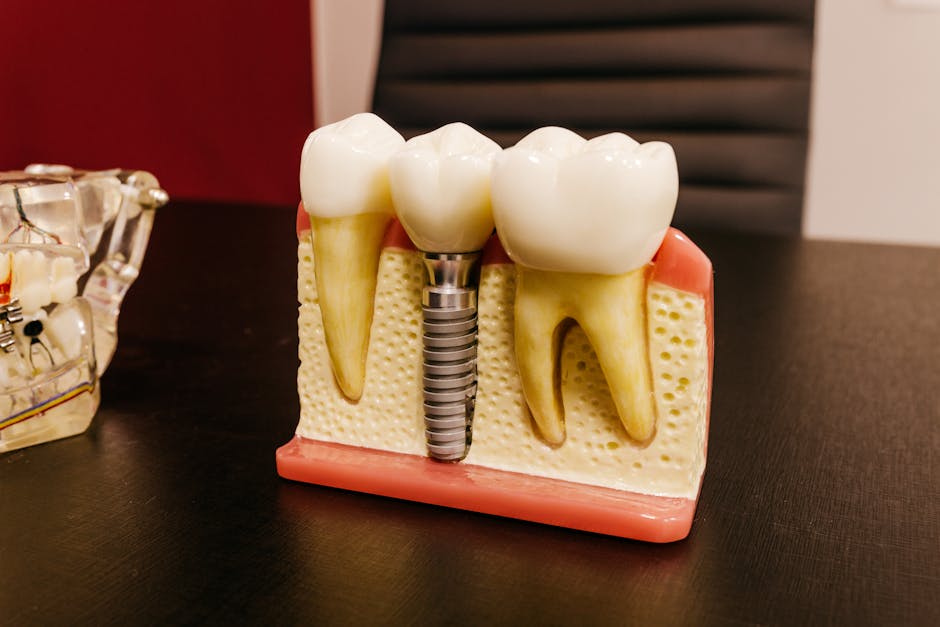
A dental implant is an artificial replacement for a missing tooth root. Typically constructed from titanium, the implant is surgically placed into the jawbone, where it integrates with the bone and becomes a long-term anchor for a custom-made crown, bridge, or denture. This design closely mimics how natural teeth function and appear.
- Implant fixture: The titanium post secured into the jawbone.
- Abutment: Connector between implant and prosthetic tooth.
- Crown: Custom-made, tooth-shaped cap attached to the abutment.

Dental Implant Costs in Canada
The total cost of a single dental implant in Canada generally ranges from 3,000 to 6,000 CAD per tooth, varying by region, case complexity, and included procedures. In Ontario and the Greater Toronto Area, typical prices are between 3,700 and 5,500 CAD per tooth. These ranges reflect the price for the entire process (implant surgery, abutment, and crown). More complex procedures, additional implants, or surgical modifications (such as bone grafts) will influence the final cost.
Cost Breakdown
- Implant fixture: Approximately 1,500–3,000 CAD
- Abutment: 300–600 CAD
- Crown: 1,000–3,000 CAD (based on material and design)
- Surgical placement: Often factored into the total cost
For full arch replacements or multiple implants (including solutions like implant-supported bridges or full arch bridges), total investment varies more significantly, depending on number of implants and prosthetic options.
What Affects Dental Implant Cost?
- Geographical region and local market rates
- Complexity of the surgical case (bone quantity, jaw anatomy)
- Number of teeth being replaced
- Additional procedures required (bone grafting, extractions, sinus lifts)
- Materials and brands used for implants and crowns
- Experience and technology available at the dental clinic
Key Benefits of Dental Implants
Dental implants offer several significant advantages compared to other tooth replacement options, making them the preferred choice for patients and dental professionals alike.
- Longevity: With proper care, dental implants may last 20 to 30 years or longer—often outlasting bridges and dentures.
- Natural function and aesthetics: Implants look, feel, and function like natural teeth, allowing for confident chewing, smiling, and speaking.
- Jawbone preservation: By transmitting chewing forces into the jawbone, implants help maintain bone density and prevent facial sagging.
- No impact on adjacent teeth: Unlike traditional bridges, implants do not require the alteration of neighboring healthy teeth.
- Improved comfort and stability: Fixed in place, implants eliminate the movement or discomfort associated with removable dentures.
Comparing Dental Implants to Other Tooth Replacement Options
Patients evaluating dental implants may also consider:
| Solution | Longevity | Bone Preservation | Effect on Neighboring Teeth | Stability |
|---|---|---|---|---|
| Dental Implant | 20–30+ years | Preserves bone | No alteration to nearby teeth | Fixed, highly stable |
| Bridge | 10–15 years | No bone stimulation at missing tooth site | Requires reshaping supporting teeth | Fixed, depends on anchor teeth |
| Partial Denture | 5–10 years | Minimal bone effect | Generally no reshaping, can stress nearby teeth | Removable, less stable |
More on alternatives is available in our crowns and bridges overview.
Step-by-Step: Dental Implant Process at Trinity Dental
At Trinity Dental, our experienced dental team follows a comprehensive approach for every implant case, from planning to long-term maintenance:
- Comprehensive assessment: Clinical exam, review of dental and medical history, and digital imaging for accurate diagnosis.
- Treatment plan: Outlines needed steps, timeframes, and any supporting procedures.
- Surgical placement: The implant is placed in the jawbone under local anesthesia, with sedation options available if needed.
- Healing phase: Osseointegration (bonding of bone and implant) occurs over 3–6 months.
- Abutment and crown: Once healed, a custom abutment and crown are attached for a natural look and function.
- Ongoing care: Regular checkups and hygiene visits to monitor long-term health and implant success.
For more detail on what to expect at each stage, see our guide: Understanding Dental Implants: What to Expect Before, During, and After Your Procedure.
What to Consider Before Choosing Your Implant Provider
Choosing a provider involves more than comparing prices. The success, comfort, and aesthetics of your dental implant depend on the skill, technology, and planning provided by your dental team. Here’s what sets Trinity Dental apart:
- Over 40 years of experience caring for families in Brampton
- Team expertise: General, surgical, cosmetic, and implant experience in one integrated practice
- Modern facilities: Renovated operatories, digital imaging, and on-site technology support precise and comfortable care
- Personalized planning: Each treatment is carefully mapped to your oral health, needs, and goals
- Comfort options: Sedation dentistry (nitrous oxide, oral, IV) available for those with anxiety
- Patient-focused amenities: Free parking, children’s play area, convenient locations, multi-language support

Best Practices for Dental Implant Success
- Commit to home care: Brush at least twice daily with a soft-bristled toothbrush and floss thoroughly. Good oral hygiene extends implant life and prevents gum disease.
- Attend regular checkups: Dental exams and professional cleanings (typically every six months) allow early detection of any issues.
- Share your full health history: Certain conditions or medications may influence healing and risk; disclosure supports safety and success.
- Follow all aftercare instructions: After placement, take care to avoid stress on the area and follow your provider’s recommendations for healing.
- Avoid smoking and excessive sugar: Both can increase risk of complications and impact healing.
Is a Dental Implant Right for You?
Most healthy adults who have lost a tooth (or teeth) are candidates for implants, as long as their overall health and oral hygiene are good. Here’s what we consider at Trinity Dental:
- General health: Factors such as diabetes, smoking, or certain medications may impact healing.
- Jawbone density: Adequate bone volume is necessary for implant stability; bone grafting can be discussed for those with insufficient bone.
- Gum health: Untreated gum disease must be managed before implant treatment.
- Patient goals: Whether you want maximum longevity, natural aesthetics, or stability, these priorities shape your treatment plan.
Preparing for Your Dental Implant Consultation
- Gather any recent dental x-rays and records (if available).
- Prepare a list of your medical conditions and medications.
- Think about your goals for treatment—durability, appearance, function.
- Bring questions about pros and cons of options (implants, bridges, dentures).
- If you’re anxious, ask about sedation options and how we ensure comfort before, during, and after treatment.
For a deeper look at how sedation can support a stress-free visit, you can read our blog: Choosing the Right Sedation Dentistry Option for a Stress-Free Visit.
Frequently Asked Questions
What is the average cost of a dental implant in Ontario?
Most single implant cases in Ontario range from 3,700 to 5,500 CAD per tooth, including surgery, abutment, and crown. Costs can vary based on complexity and location.
How long do dental implants last?
Dental implants, when properly placed and maintained, can last 20–30 years or longer. Regular dental checkups and meticulous home care are important for longevity.
Is dental implant surgery painful?
The procedure is usually performed with local anesthesia, and many patients report minimal discomfort. Sedation options are available for added comfort or for those with dental anxiety. Post-surgical soreness is generally well managed with over-the-counter medications and aftercare guidance.
Who is a good candidate for dental implants?
Most adults in good general and oral health with sufficient jawbone volume are candidates. Your dentist will evaluate your specific case, including medical history, oral hygiene, and any potential risk factors.
How do I maintain my dental implants?
Brush and floss daily, attend regular professional cleanings, and follow your dentist’s personalized care recommendations. Avoid tobacco and limit sugary snacks for optimal gum and bone health.
Can Trinity Dental help with complex cases or anxiety?
Yes. Trinity Dental has experience managing complex surgical and cosmetic cases and offers a range of sedation options for anxious or sensitive patients. Our approach is always tailored and compassionate.
Conclusion: Your Trusted Dental Implant Team in Brampton
Deciding on dental implants is a significant step for your oral health and confidence. At Trinity Dental, we believe in empowering you with clear information, transparent care, and support that addresses every aspect of your comfort and long-term smile goals. Our experienced dentists in Brampton blend advanced expertise, state-of-the-art technology, and a welcoming atmosphere to guide you through every stage of your dental implant journey. For further details about our implant solutions, team credentials, or to discover more about our award-winning care, visit our homepage or explore our related resources above.