

Dental anxiety is one of the most common reasons people postpone essential care, but sedation dentistry makes it possible for anyone to receive treatment comfortably and without fear. At Trinity Dental, we specialize in matching every patient with the most suitable sedation option, ensuring every visit is smooth and stress-free. Understanding your choices empowers you to make informed decisions about your oral health, whether you need a routine cleaning or complex dental surgery.
What Is Sedation Dentistry?
Sedation dentistry involves the use of medications to help you manage dental anxiety and relax during procedures. This approach goes beyond traditional local anesthesia: sedation does not numb the treatment area itself but calms the mind and body, so patients can experience dental visits with reduced stress.
At Trinity Dental, three types of sedation are available, each suited for different needs and preferences:
- Nitrous oxide (laughing gas): Provides light relaxation and is suitable for mild anxiety or shorter visits.
- Oral sedation: Involves taking a pill before the appointment, creating a deeper level of calm for those with moderate anxiety.
- IV sedation: Administered intravenously for the highest level of conscious sedation, ideal for severe anxiety or lengthy, complex procedures.
Definition: Types of Sedation Dentistry at Trinity Dental
- Nitrous oxide: A colorless, odorless gas inhaled through a nose mask during treatment. Induces mild relaxation. Effects start quickly and fade within minutes.
- Oral sedation: A prescribed medication taken before the appointment. Produces moderate drowsiness, reduces anxiety, and sometimes impairs memory of the procedure.
- IV sedation: Medication is delivered through an intravenous line. Patients are deeply relaxed, semi-conscious, and typically remember little of the procedure afterward.

Step-by-Step: How Sedation Dentistry Works
1. Pre-visit Consultation
- We begin with a comprehensive review of your medical history, anxiety concerns, and any previous sedation experiences.
- Your dentist will discuss procedure details, potential sedation options, and answer all questions about safety, preparation, and expectations.
- Our staff can consult with patients in multiple languages, including English, French, Hindi, Punjabi, Urdu, Vietnamese, Filipino, Spanish, and Dari/Farsi, to ensure you fully understand your options.
2. Preparation
- The preparation varies by sedation type. For nitrous oxide, little to no preparation is required, and fasting is unnecessary. For oral or IV sedation, you may be instructed to fast or avoid heavy meals prior to your visit. Oral sedation requires having a responsible adult accompany you to and from the clinic.
3. In-Clinic Experience
- Upon arrival, our team reviews your readiness and provides the chosen sedative.
- Patient well-being is continuously monitored (blood pressure, pulse, oxygen saturation) throughout the procedure.
- An additional local anesthetic is given to ensure the treatment area is fully numb, while the sedative keeps you relaxed.
4. Recovery
- With nitrous oxide, patients generally recover within 10-15 minutes and can drive themselves home.
- Oral and IV sedation patients require observation in the office until fully alert and must be escorted home due to lingering drowsiness.
Comparing Sedation Dentistry Options
| Sedation Type | Level of Relaxation | Administration | Recommended For | Escort Needed? |
|---|---|---|---|---|
| Nitrous oxide | Mild | Nasal mask | Mild anxiety, brief treatments | No |
| Oral sedation | Moderate | Medication pill (before visit) | Moderate anxiety, longer visits | Yes |
| IV sedation | Deep | IV line in arm or hand | Severe anxiety, complex/surgical care | Yes |
Nitrous Oxide: Gentle Relaxation for Mild Anxiety
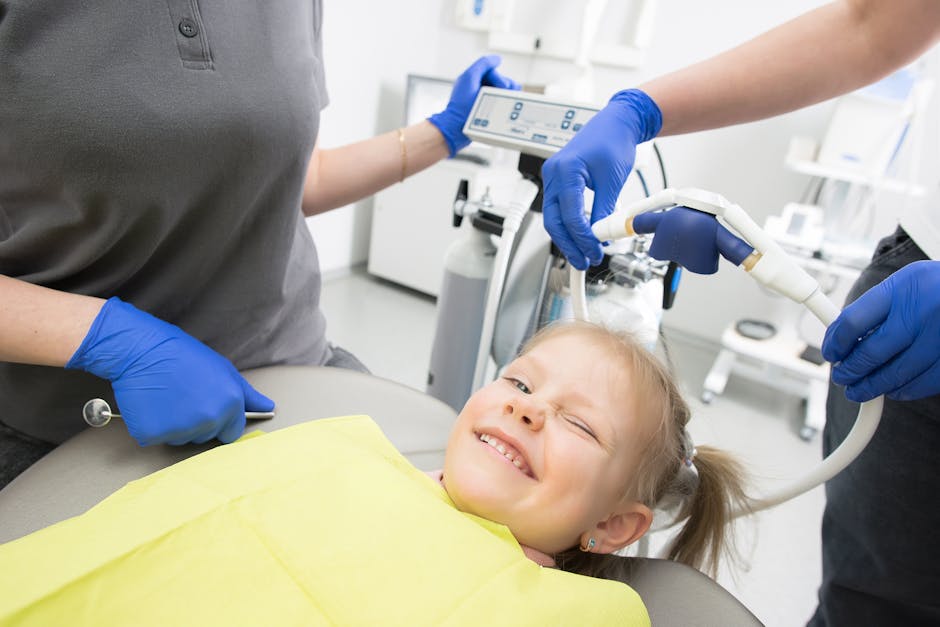
Nitrous oxide, or laughing gas, is an excellent solution for patients with minimal dental anxiety or for short, simple procedures. You remain conscious, relaxed, and able to communicate as usual. Because effects fade rapidly, you can safely drive home or return to your daily activities without delay.
- Common uses: routine cleanings, minor fillings, single crown preparations, and children’s dental visits.
- Safety: Well-tolerated by both children and adults. Contraindications include severe respiratory conditions or recent ear surgery—in these cases, alternatives may be explored.
Oral Sedation: Enhanced Comfort for Moderate Anxiety
If nervousness is more pronounced, oral sedation provides a deeper sense of relaxation. The sedative pill is prescribed and taken before your appointment as directed. You may feel drowsy and less aware of the environment, though you will remain responsive to the dental team.
- Used for: more involved restorations, multiple fillings, crown/bridge work, or situations where relaxing fully is essential.
- Plan ahead: Driving is not permitted after oral sedation, and your day should be kept free of significant responsibilities post-visit.
IV Sedation: Deep Relaxation for Complex Procedures
IV sedation is reserved for patients with high anxiety, dental phobia, or those undergoing lengthy/surgical treatments such as wisdom tooth removal or dental implants. The sedative is delivered via IV, allowing precise adjustment of the medication for your comfort and safety throughout.
- Effects: Most patients remember little or nothing of the procedure, describing the experience as peacefully “sleeping through” treatment. However, you are not completely unconscious and can still be safely monitored and respond to instructions.
- Special requirements: Strict fasting instructions must be followed. Patients require an escort, and recovery continues at home.

Best Practices: Making Sedation Dentistry Work for You
- Always disclose your complete medical history, allergies, and medication list for your safety.
- Communicate openly about your level of dental anxiety—Trinity Dental customizes care based on your personal concerns.
- Follow all preparation and aftercare instructions provided by your dental team.
- Ask questions—our team ensures you understand every step, and can provide answers in several languages for your comfort.
- Take advantage of our child-friendly environment and advanced technology to minimize discomfort and maximize results.
Real-World Scenarios: Matching Sedation to Patient Needs
- Example: A patient with mild anxiety needs a small filling and must return to work quickly. Nitrous oxide is appropriate due to its rapid recovery and minimal after-effects.
- Example: For a longer appointment involving several crowns and a patient who feels apprehensive about dental care, oral sedation enables relaxation through the extended visit, with an escort arranged for transportation home.
- Example: A person requiring multiple extractions with strong dental fear may benefit most from IV sedation, ensuring they are deeply relaxed and comfortable during complex surgical care.
Step-by-Step: Your Sedation Dentistry Experience at Trinity Dental
- Book a consultation: Schedule a dedicated appointment to review your needs at Trinity Dental or Centennial Dental. Request your appointment online.
- Personalized assessment: We listen to your concerns, assess health history, and review suitable sedation options.
- Pre-procedure guidance: Receive clear instructions tailored to the type of sedation you choose.
- Treatment day: You are welcomed into our modern, patient-focused environment. Sedation is safely administered by highly trained professionals. Your comfort, dignity, and well-being remain our top priority.
- Recovery support: We monitor and support you until you are ready to safely return home—our commitment continues even after you leave our office.
Frequently Asked Questions About Sedation Dentistry
Is sedation dentistry safe?
Yes. At Trinity Dental, sedation is administered by experienced dental professionals using evidence-based protocols. Your health status is always carefully reviewed before recommending any sedation option.
Will I be asleep during treatment?
No. Sedation dentistry usually means you’re awake but deeply relaxed—responsive to verbal cues, but with lowered anxiety and sometimes limited memory of the visit. IV sedation may make you feel as if you’ve slept through the procedure, but you remain conscious and able to cooperate safely.
Is sedation available for children?
Yes. Nitrous oxide is frequently used in pediatric care and is very safe when administered by trained professionals in a modern dental setting. We offer a child-friendly environment to help make each visit easy and positive.
Are there any health conditions that prevent sedation?
Certain medical conditions, such as severe respiratory problems, heart disease, or specific medication interactions, can affect eligibility for specific sedation options. Always provide your full health history to your dental team so they can choose the safest plan.
How do I know which sedation option is right for me?
Our dentists assess your stress level, procedure complexity, medical background, and personal needs in detail. We take time to explain all options clearly so you’re comfortable with your decision. The process is transparent, collaborative, and tailored to you.
Can sedation be used for emergency dental procedures?
Yes. Trinity Dental provides sedation options for urgent dental treatments. Our emergency services are focused on relieving pain quickly and safely, even for the most anxious patients.
How Sedation Dentistry Fits With Complete Oral Care
At Trinity Dental, sedation dentistry is integrated into a broader philosophy of compassionate, patient-first care. We combine sedation with preventive checkups, advanced imaging and restorative services, as well as amenities such as kids’ play areas and multilingual support to foster trust for all ages. Routine visits and ongoing education also help many patients overcome past dental fears altogether.
Choosing the Right Sedation Option: Your Personal Checklist
- Evaluate your dental anxiety on a scale of 0-10.
- Consider the length and type of your planned procedure.
- Review your medical and medication history with your dentist.
- Plan for transportation and aftercare if oral or IV sedation are chosen.
- Discuss your preferences for awareness and memory of the appointment—some may prefer to “remember less.”
Conclusion: Experience Truly Stress-Free Dental Visits With Trinity Dental
Dental care should never be a source of dread. With a thoughtful approach to sedation dentistry and customized care, you can take control of your oral health with confidence, even if you have avoided the dentist for years. Trinity Dental’s highly skilled dental professionals are equipped to discuss, recommend, and administer the full spectrum of sedation options—backed by decades of experience, the latest technology, and a genuine commitment to your comfort at every step.
If you’re ready for a stress-free dental experience, request your consultation today or learn more about our services at Trinity Dental. We’re here to make oral health easier—whatever your needs or previous experiences.