

Dental implants are a leading solution for replacing missing teeth in Brampton, offering a permanent, natural-looking restoration that can significantly improve both function and appearance. If you are considering dental implants, understanding the candidacy requirements and what to expect during the process is essential. Most adults with good oral and overall health can benefit from this transformative treatment, but only a comprehensive dental evaluation can determine whether implants are truly right for your unique situation.
At Trinity Dental, our experienced dentists use state-of-the-art diagnostics to assess your oral tissues, jawbone, and medical history before recommending dental implant treatment. We help you determine if you’re an ideal candidate and guide you through every step, from planning to recovery, ensuring you receive personalized advice and care.
What Are Dental Implants?
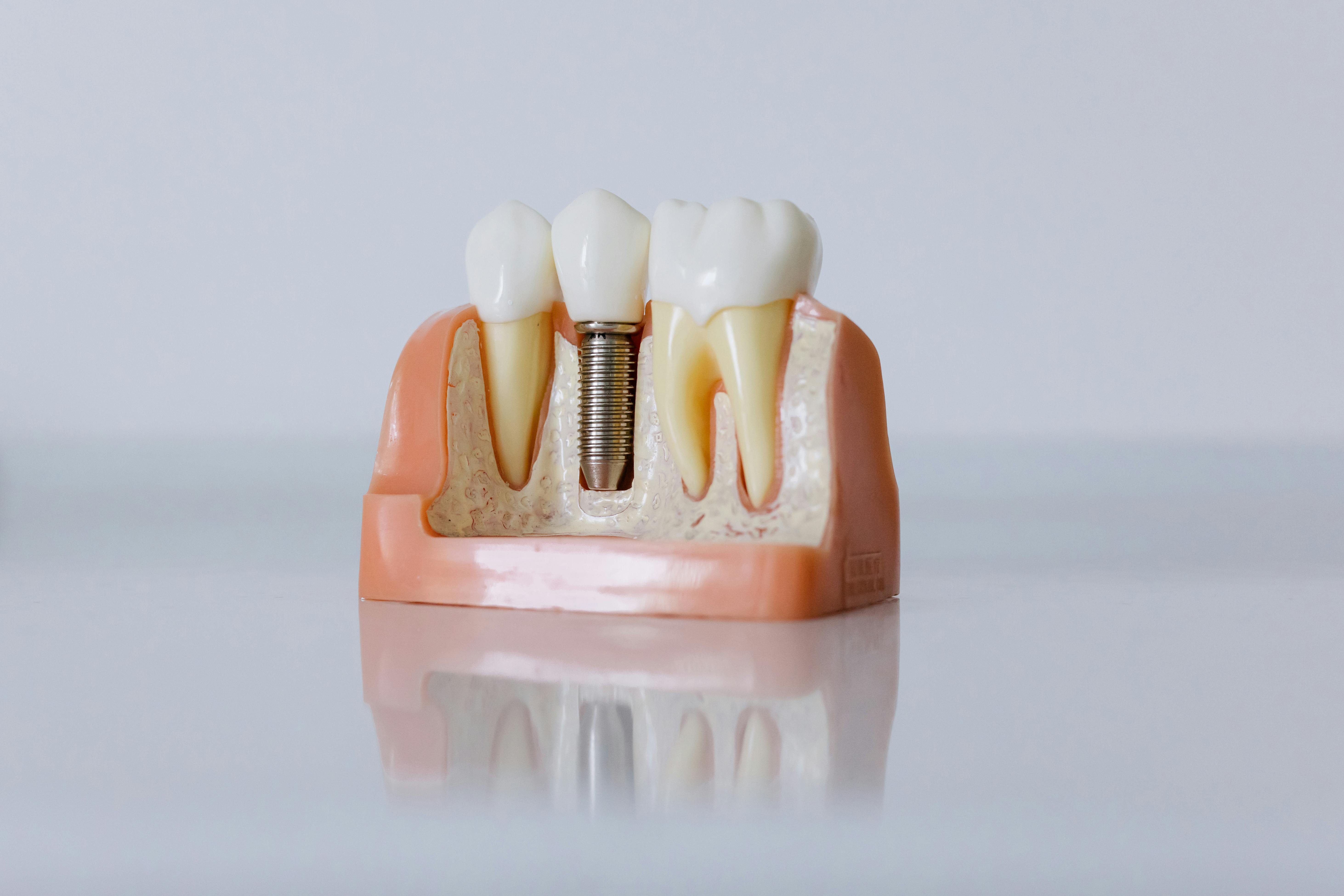
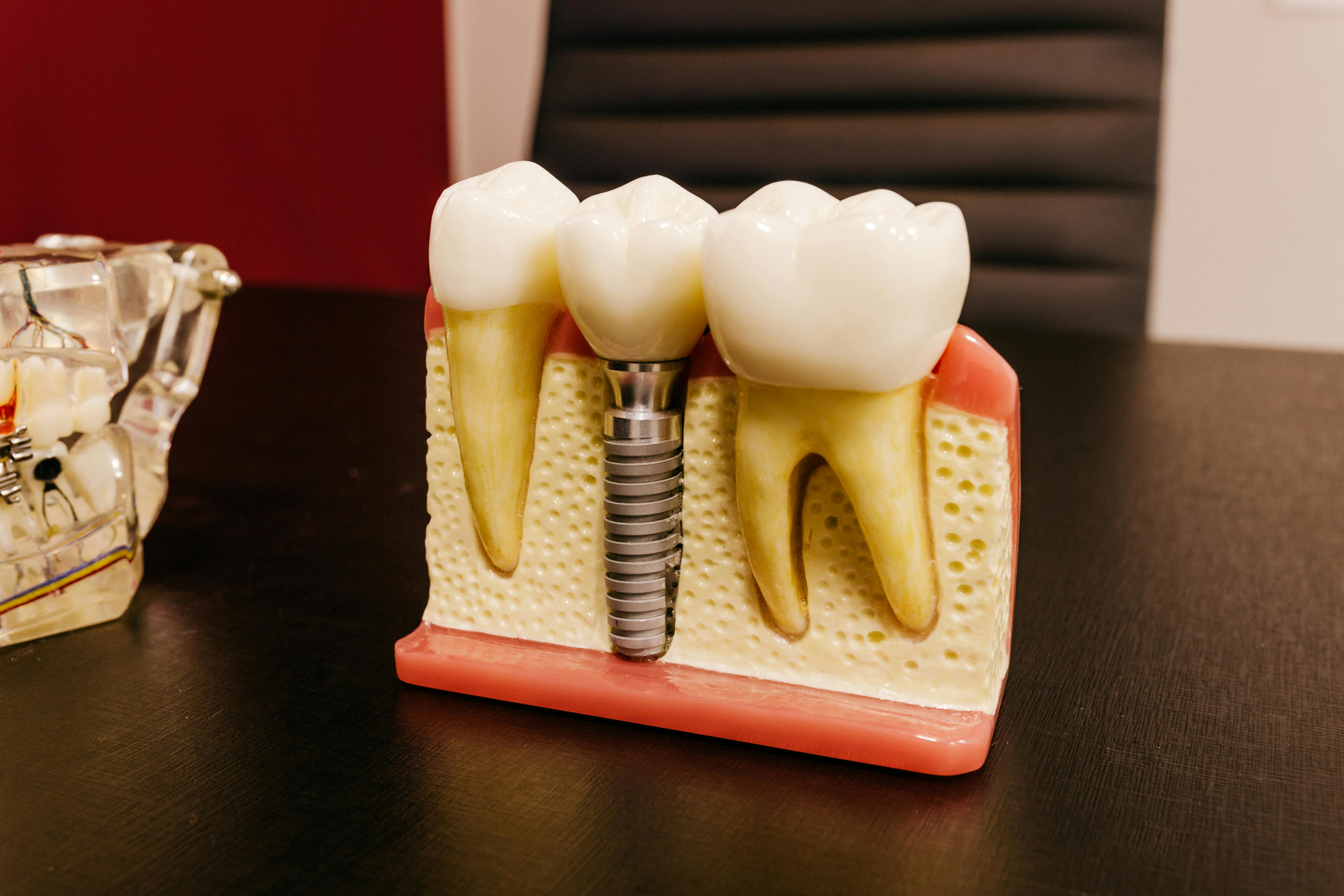
Dental implants are artificial tooth roots made of titanium, surgically placed in the jawbone to support crowns, bridges, or dentures. Over time, these implants fuse with the bone (a process called osseointegration), providing a stable, long-term foundation for replacement teeth.
Who Is a Good Candidate for Dental Implants?
Candidacy for dental implants is based on the following essential criteria. You are likely a good candidate if you:
- Have one or more missing teeth and want a permanent solution
- Have healthy gums and no active gum disease
- Have enough jawbone to support implants or are willing to undergo bone grafting
- Are in good general health (well-controlled chronic conditions like diabetes are usually acceptable)
- Are a non-smoker or willing to stop smoking during the treatment period
- Have completed jaw growth (typically ages 18+ for women and 21+ for men)
- Are committed to maintaining excellent oral hygiene and regular dental visits
If you match most of these criteria, there’s a strong chance you are a suitable candidate for dental implants at Trinity Dental. If you don’t, all hope isn’t lost—certain preparatory treatments may help you qualify.
Self-Assessment Checklist
Before booking a consultation, ask yourself the following:
- Do you have frequent gum bleeding, swelling, or active infection? (Healthy tissues are a must)
- Have you experienced significant bone loss in your jaw? (Bone grafting might be required)
- Do you have uncontrolled systemic health conditions? (Medical clearance may be needed)
- Are you able to stop smoking before and after surgery?
- Are you dedicated to following aftercare and hygiene instructions?
Bring any concerns to your first visit—we’re here to discuss your unique case and offer realistic guidance.
Detailed Look: Candidacy Requirements for Dental Implants
1. Gum and Oral Tissue Health
Implant success depends on gum health. Untreated periodontitis or active gum infection increases the risk of implant failure. At Trinity Dental, we recommend a comprehensive periodontal evaluation and, if needed, treatment before implant placement. Maintenance cleanings every 3-6 months help support long-term results.
2. Bone Quality and Volume
Your jawbone must be dense and wide enough to hold implants securely. Using advanced digital x-rays and 3D scans, we assess your bone’s suitability. For patients with bone loss, procedures like bone grafting can often prepare the site for a successful outcome.
3. General Health Considerations
Systemic conditions like diabetes or cardiovascular disease should be well-managed. Implant placement involves minor oral surgery, so overall healing capacity matters. We thoroughly review your medical history and medication list during your consultation to ensure your safety and minimize risks.
4. Smoking and Lifestyle Factors
Smoking negatively impacts healing after surgery and increases failure risk. We encourage all implant patients to quit smoking prior to and after surgery, and our team can recommend resources to help.
5. Age and Growth
Implants are suitable for adults who have completed jaw growth—typically age 18 for women and 21 for men. There is no upper age limit, and healthy seniors are often excellent implant candidates.
6. Commitment to Oral Hygiene
Long-term implant success depends on daily brushing, flossing, and regular dental checkups. Trinity Dental provides personalized hygiene coaching to help maintain the health of your implants and surrounding tissues.
Who May Not Be a Good Candidate?
Immediate implant placement may not be ideal if you have:
- Active gum disease or untreated oral infection
- Severe, uncorrectable bone loss in your jaw
- Uncontrolled chronic health problems
- Heavy tobacco use without intent to quit
- Use of specific medications that affect bone or healing (to be discussed at your consultation)
For many patients in these categories, other options such as bridges or dentures, or specific medical or dental interventions, may be discussed to work towards future implant candidacy. For a broader look at dental restoration options, consider our in-depth guide: Dental Implant Canada: Costs, Benefits, and What to Consider Before Choosing Your Provider.
The Dental Implant Process: Step-by-Step at Trinity Dental
Step 1: Comprehensive Consultation and Imaging
We begin with a thorough evaluation of your mouth, including digital x-rays and, when appropriate, 3D imaging. Your goals and concerns are discussed in detail, and we outline your treatment options.
Step 2: Preparatory Treatments (If Needed)
If you need gum therapy, tooth extractions, or bone grafting, these are completed before implant placement. Ensuring a healthy, stable foundation is key.
Step 3: Implant Placement Surgery
Implant surgery is performed under local anesthesia with the option of sedation for comfort. Trinity Dental offers several sedation dentistry options tailored to your needs. The implant is gently positioned into the jaw, and a healing period begins.
Step 4: Healing and Integration
Over several weeks to months, the implant fuses with your bone. You’ll receive specific instructions for diet, hygiene, and activity to protect your investment during recovery.
Step 5: Placing the Abutment and Restoration
Once healing is confirmed, a custom abutment and crown, bridge, or denture is attached. Your new tooth or teeth are adjusted for fit, bite, and comfort.
Life After Dental Implants
With successful integration and restoration, you can expect:
- Natural-looking teeth that function like your own
- Improved ability to enjoy a full range of foods
- Stability and comfort (no slippage or irritation as with some dentures)
- Long-term enhancements to chewing, speech, and confidence
For optimal results, regular home care and professional hygiene visits at Trinity Dental are essential.
Why Trust Trinity Dental for Dental Implants in Brampton?
With more than 40 years serving Brampton families and led by Dr. Grewal and an experienced team, Trinity Dental stands out for compassionate care, advanced technology, and a patient-first approach. Our clinics feature:
- Modern implant technology and fully-equipped surgical suites
- Flexible sedation options for patient comfort
- English, French, Hindi, Punjabi, Urdu, Vietnamese, Filipino, Spanish, and Dari/Farsi support
- Convenient location with free parking, extended hours, and amenities for your comfort
From consultation through healing, your experience is designed to be informative, transparent, and comfortable.
Best Practices for Dental Implant Candidates
- Maintain excellent daily oral hygiene: brush at least twice, floss once
- Book professional cleanings every 3-6 months
- Follow all home care instructions after surgery (especially diet and hygiene)
- Manage chronic health conditions in consultation with your medical doctor
- Quit smoking and avoid tobacco products for best healing
For a complete overview of what the implant experience looks like at each phase, check our educational post: Understanding Dental Implants: What to Expect Before, During, and After Your Procedure.
FAQ: Dental Implant Candidacy and Experience
What if I have some gum disease?
Mild to moderate gum disease often can be treated before considering implants. Severe or ongoing issues need resolution to ensure implant success.
Can implants work if I have bone loss?
In many cases, yes. Trinity Dental evaluates jawbone density with imaging and may recommend bone grafting to create more support if needed.
Is there an age limit for dental implants?
No maximum age. Adults of any age with sufficient health and bone structure are often eligible, provided jaw growth is complete.
How long does the implant process take?
From planning to final restoration, it can take a few months, depending on your bone quality, healing time, and if preparatory work is needed.
What are alternatives if I’m not a candidate?
Options such as bridges, dentures, or partials may be discussed during your consultation—and sometimes preparatory treatment can make you eligible for implants down the line.
Conclusion: Find Out If Dental Implants Are Right for You
The only way to know for certain if you are a good candidate for dental implants is to have a comprehensive clinical evaluation and necessary imaging by a qualified dentist. If you are in Brampton and missing teeth or unhappy with your current restoration, request a consultation with Trinity Dental today. We’re dedicated to giving you reliable guidance and solutions customized for your health, expectations, and lifestyle.
Ready to take the next step? Contact Trinity Dental to begin your dental implant assessment, or learn more about our broad range of dental services for the entire family. Experience trusted, compassionate, and expert care—right here in Brampton.